


It is the question everyone asks when opening up their parents' attic or clearing out a grandparent's house. You come across an old radio, you find it beautiful, but you have absolutely no idea whether it is worth 15 euros or 500 euros. The honest answer: it depends on five criteria, and most people get wrong which ones really matter.
First criterion: the brand and the model
Everyone thinks age is the number one factor. It is not. An ordinary 1935 radio is often worth less than a 1955 radio from a major brand. What counts is the brand, and above all the model within that brand's range.
The brands that attract the most interest from collectors and restorers: Telefunken, Grundig and Saba for Germany - their sets from the 1950s are recognized for the quality of their craftsmanship and their design. On the French side: Radiola, Ducretet-Thomson, Schneider, Sonora, Océanic. These brands produced iconic models that enthusiasts actively seek out.
Philips is harder to categorize: the brand produced as many exceptional models as very ordinary ones. The value of a Philips really depends on the specific model.
Unknown brands or sets without a nameplate are generally worth little, unless the design is truly exceptional.
Second criterion: design and era
The 1930s to the mid-1950s are the aesthetic golden age of radios. Three styles concentrate the demand:
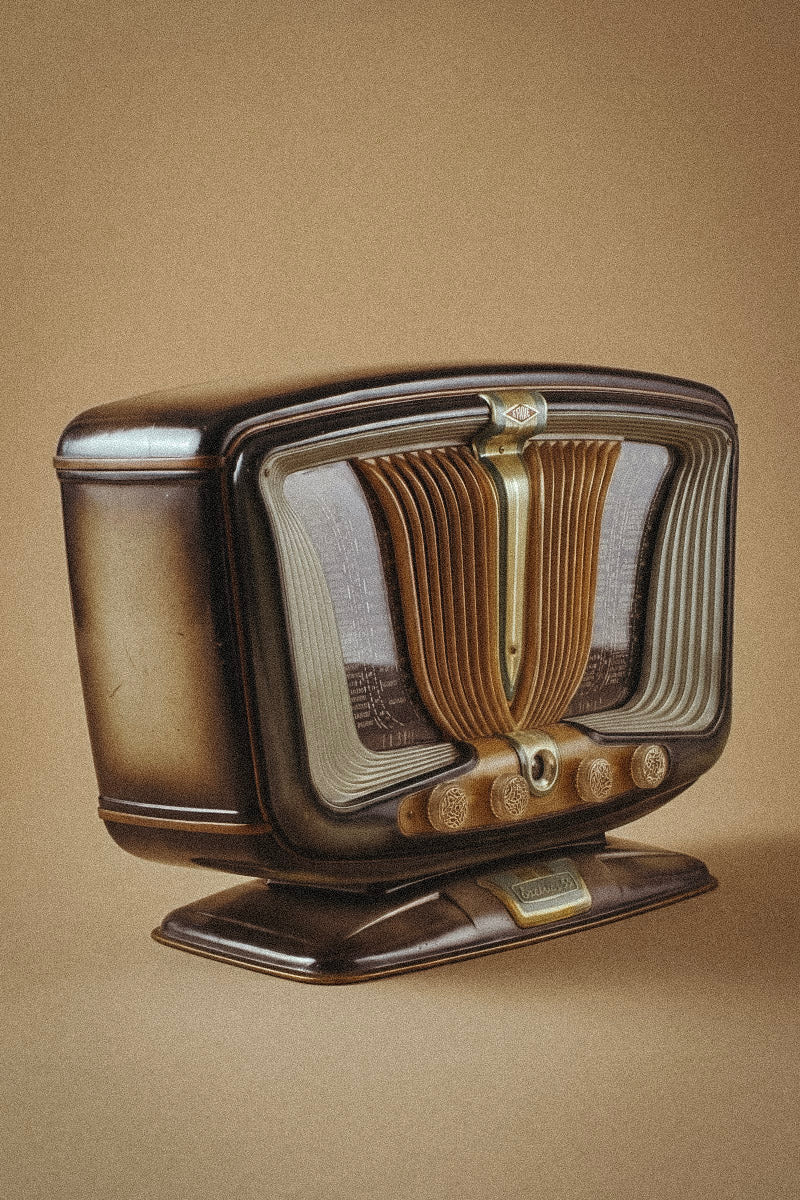
Art Deco from the 1930s-40s: rounded shapes, cabinets in colored Bakelite or precious wood, finely engraved dials. These pieces are considered collector's items in their own right. A beautiful Art Deco set in black or burgundy Bakelite, in good condition, can easily fetch 200 to 600 euros.
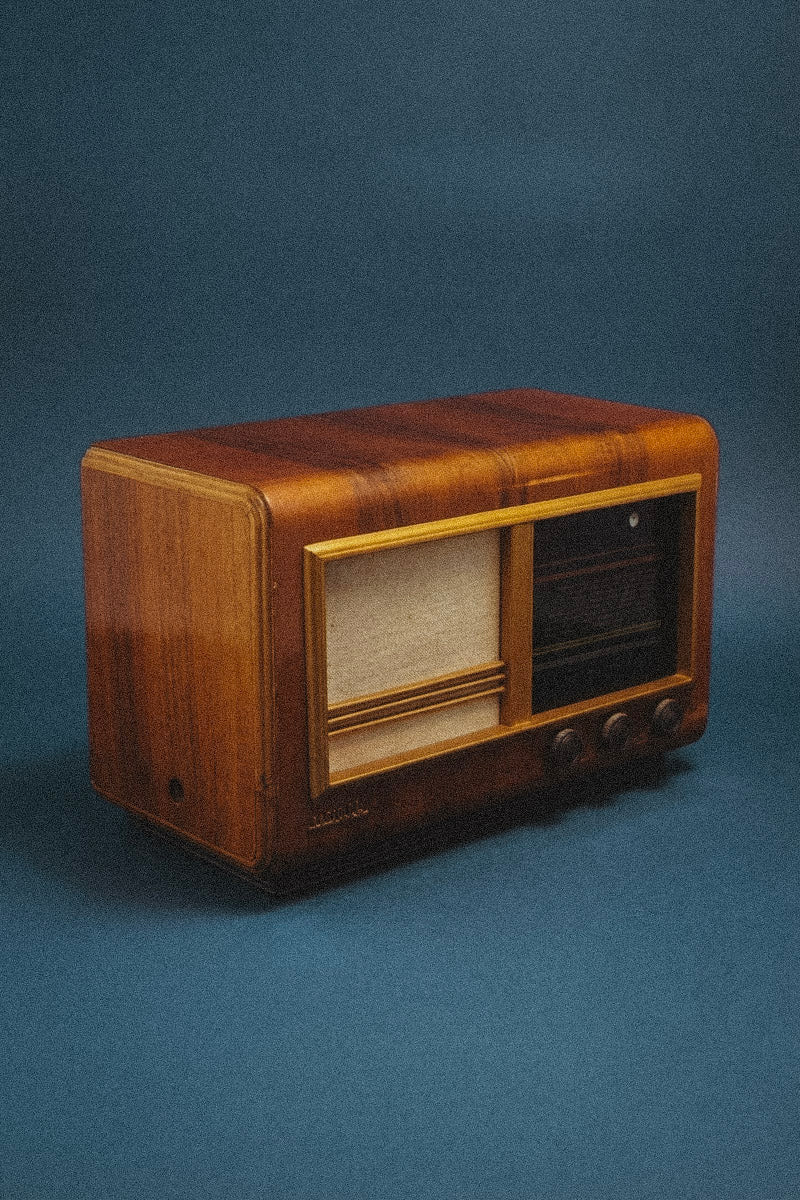
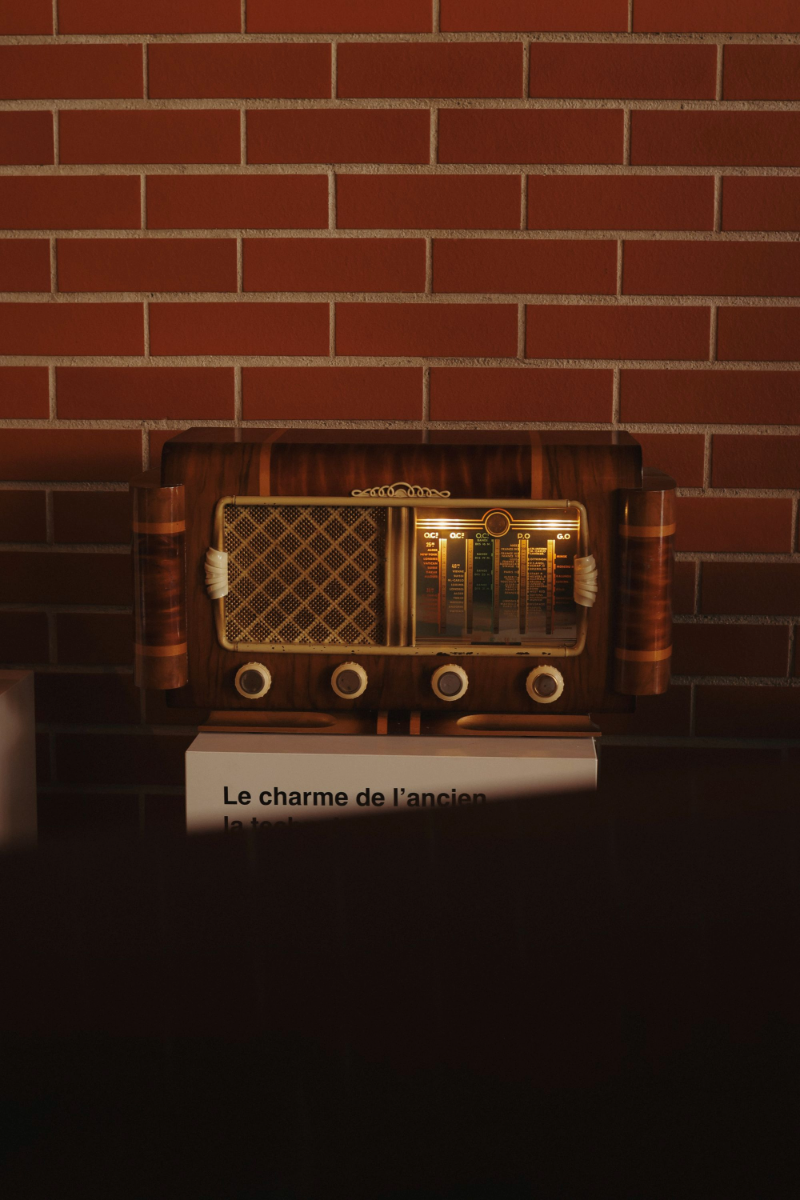
The Streamline style of 1945-55: clean lines, dark wood cabinets with fabric grilles, illuminated dials with a colored frequency scale. It is probably the most popular style among vintage decor lovers. A living room "radio cabinet" from this period, with its large walnut case and its green or orange dial, can be worth between 150 and 400 euros.
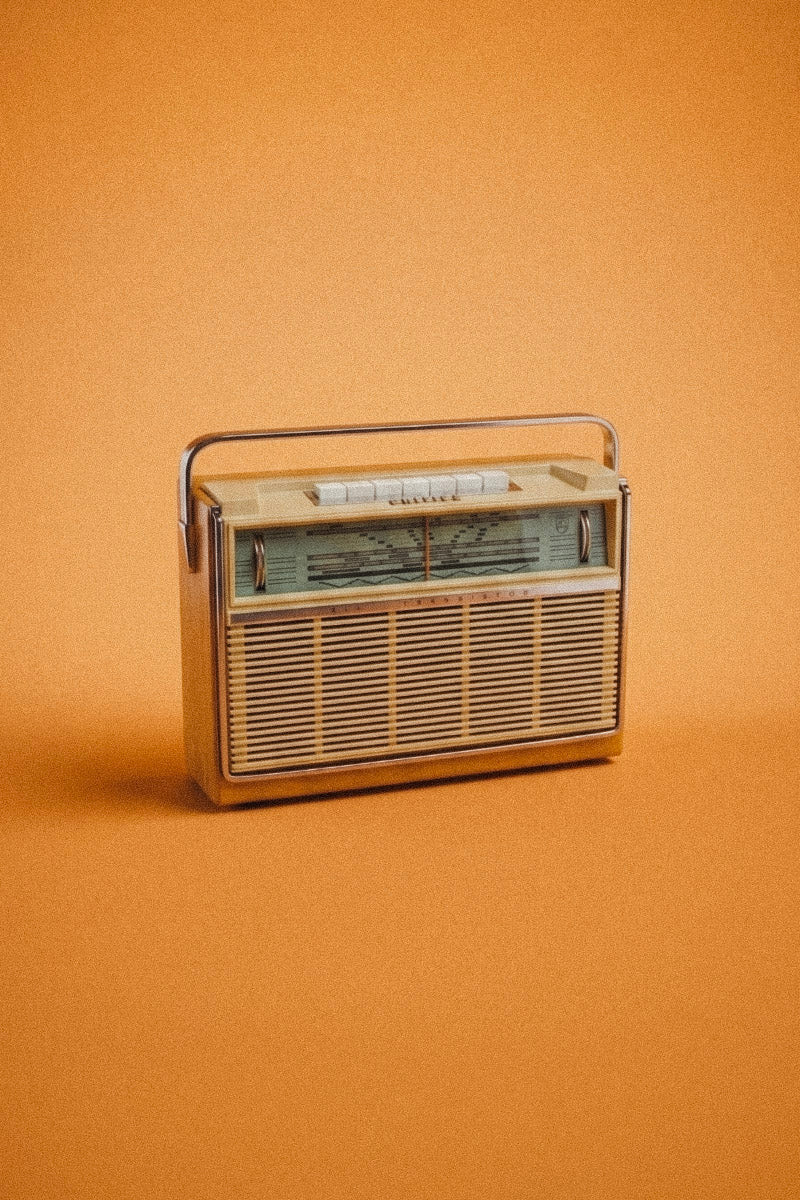
Transistor radios from the 1960s are also highly sought after for their pop character and bright colors. Models such as the Grundig Boy, the Telefunken Bajazzo or Japanese Hitachi transistors in impeccable condition regularly fetch 80 to 200 euros.
Third criterion: the condition of the cabinet
This is often where the shoe pinches. The original electronics are almost always out of order - buyers expect that, and it does not really affect the price. The condition of the wooden cabinet, however, is decisive.
What lowers the value: peeling or missing veneers, deep cracks in the wood, traces of moisture or mold, missing or replaced knobs, torn or stained grille fabric, cracked or yellowed dials. Each of these flaws reduces the value all the more as the restoration is complex.
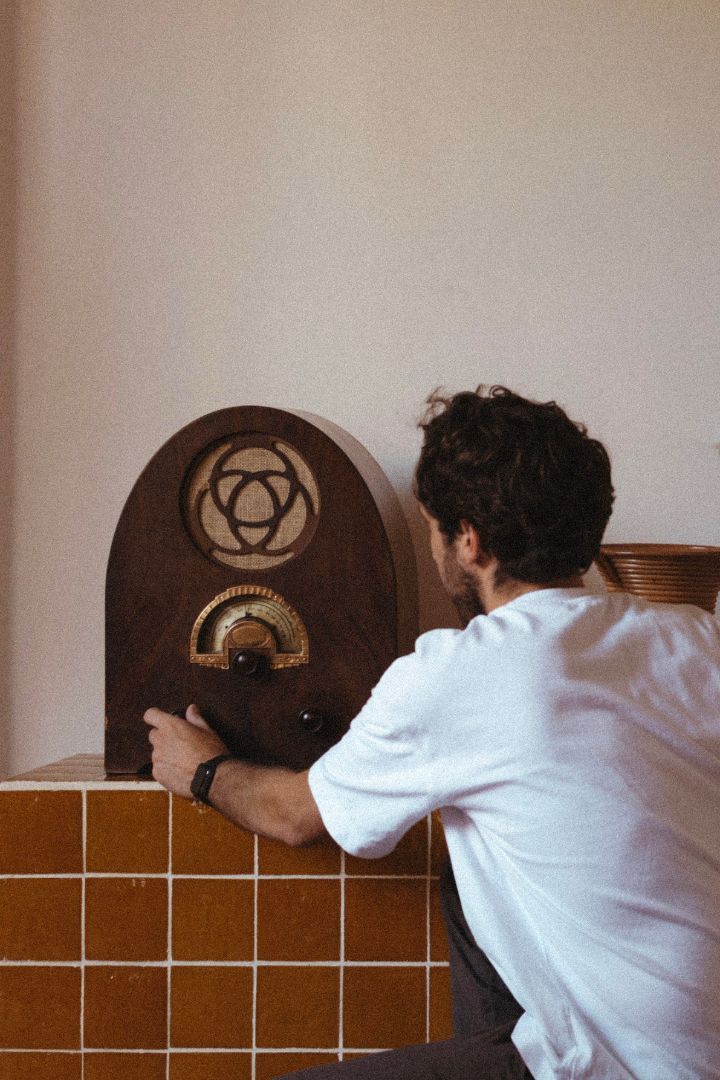
What preserves or increases the value: a solid wooden cabinet with all its original parts, an intact illuminated dial (even if non-functional), original Bakelite knobs, clean grille fabric, and the absence of clumsy amateur repairs. A set that has never been touched, even covered in dust, is often worth more than a set "cleaned" by someone who used the wrong products.
Fourth criterion: the rarity of the model
Some models were produced in the millions. Others were high-end models made in limited quantities. Rarity plays an enormous role in auction prices and among collectors.
How can you tell if your model is rare? The nameplate on the back of the set usually shows the model number. A quick search on vintage radio collectors' forums (there are several in French) or on eBay completed listings will give you an idea of the going prices.
Beware of estimates found on auction sites: the prices displayed are often the asking prices, not the prices achieved. Look at sales that were actually completed.
Realistic price ranges in 2026
To give you a concrete benchmark, here are the ranges we currently observe on the market:
Living room TSF sets from 1935-55, major brands, cabinet in good condition: between 120 and 500 euros depending on the brand and model. Exceptional pieces (Telefunken Andante, Grundig 5050, large Radiola models) can exceed 600 euros among collectors. More common sets or those with flaws: 30 to 100 euros.
Transistor radios from the 1960s in good condition: 50 to 200 euros for the best brands. Popular Japanese models (Sony, Hitachi): 30 to 80 euros. An unbranded transistor or one in poor condition: under 30 euros.
Plastic sets from the 1970s: generally 10 to 40 euros, unless the design is truly remarkable.
1980s boomboxes from major brands (Sharp, JVC, Toshiba) in working order: 80 to 300 euros depending on the model. The boombox market has been growing strongly for several years.
What your radio can become
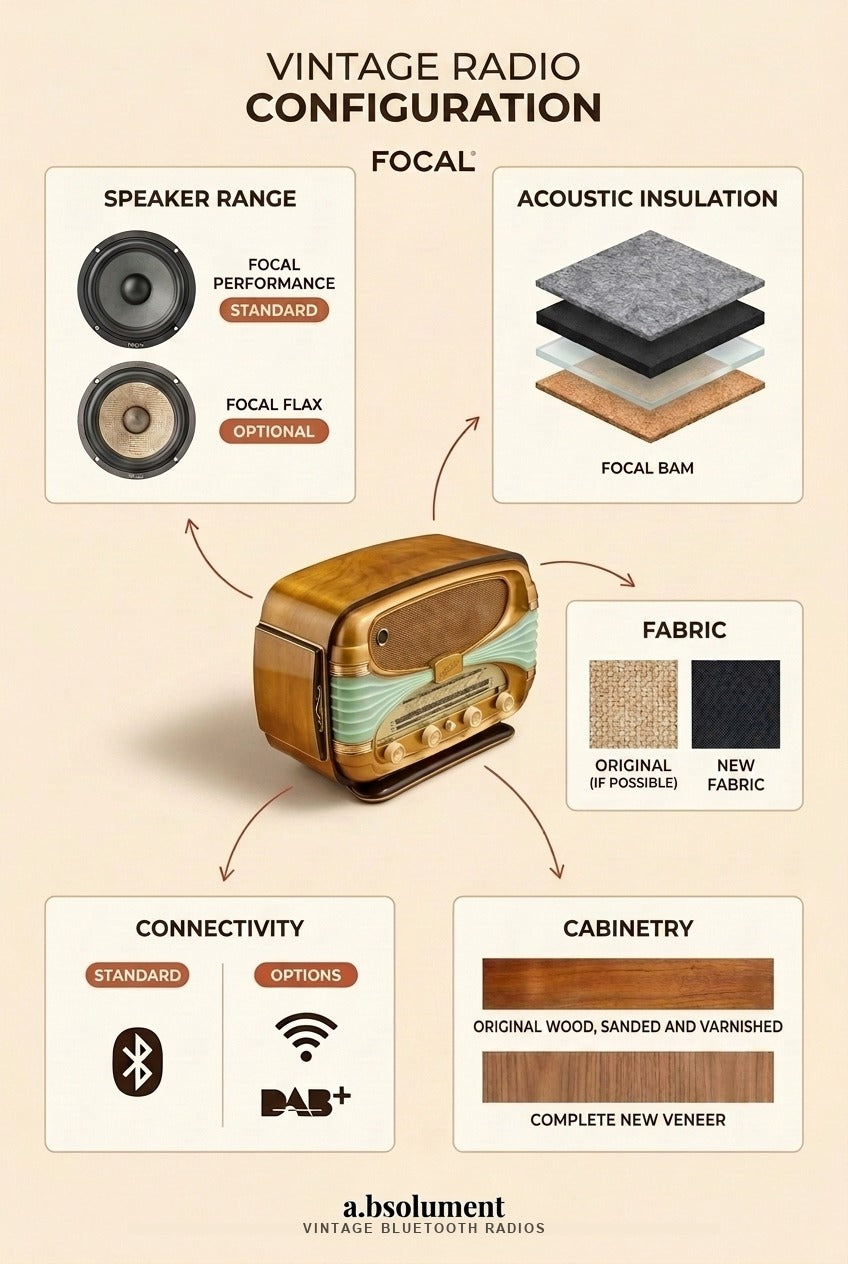
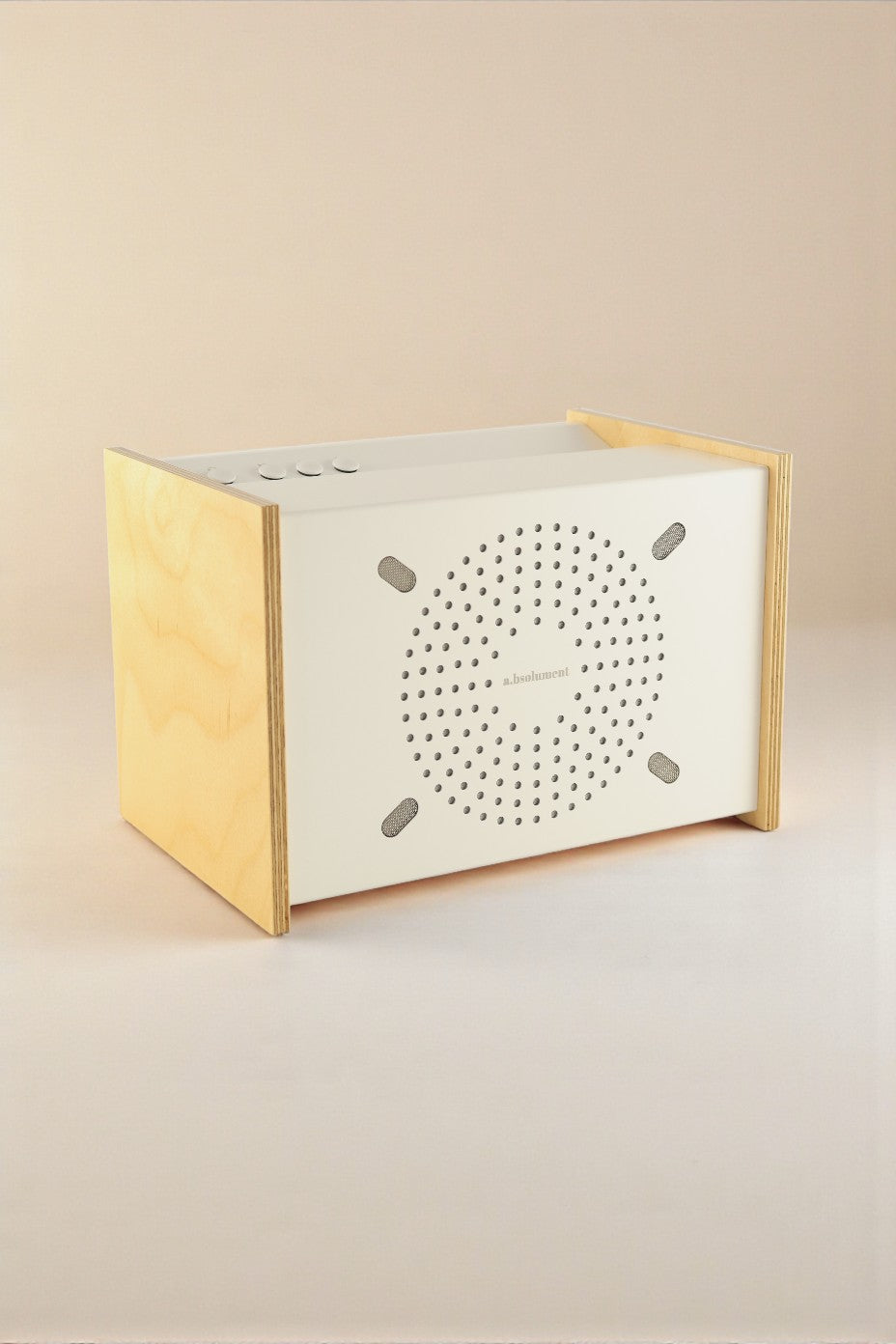
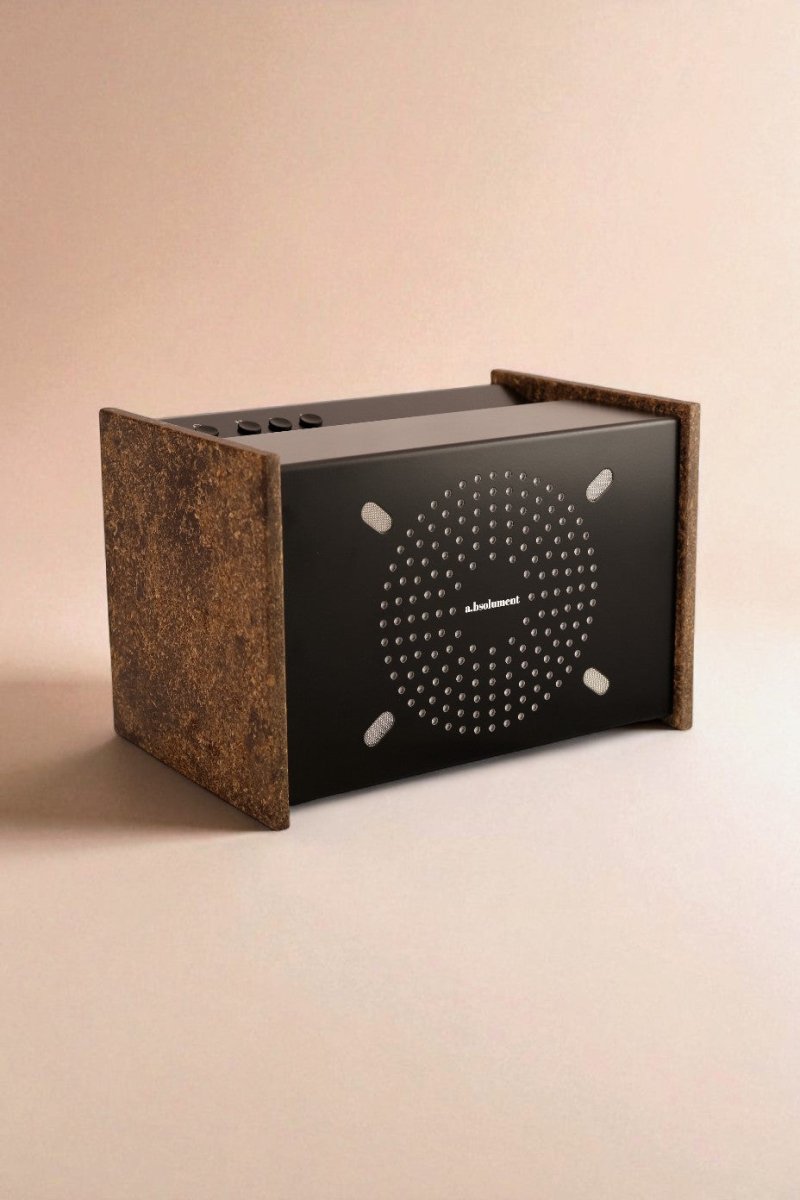
At A.bsolument, we look at things differently from a collector. What interests us is not the market value but the potential for transformation: can this cabinet become a beautiful Bluetooth Focal speaker?
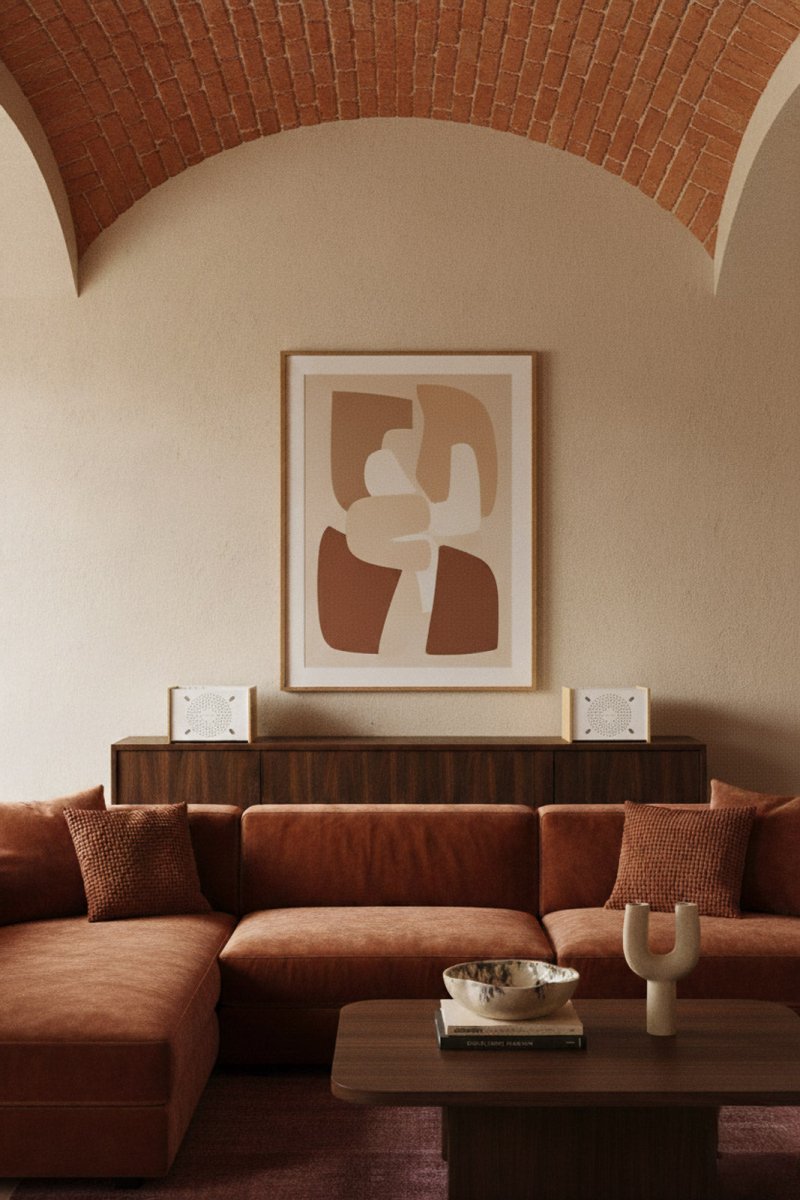
A family radio is often worth more than its market value. Resold, an ordinary radio rarely brings in much (see the ranges above). Modernized, it stays with you: we replace the original electronics with a Bluetooth module and a Focal speaker, without touching the cabinet, starting at 499 euros for a living room radio. See what your radio can become before deciding to sell it.
For sets of great heritage value or very rare pieces, the right contacts are collectors' associations, specialist antique dealers and vintage radio fairs.
How to identify your model precisely
Before searching for anything, find your set's nameplate. It is usually screwed to the back or underneath the cabinet. It shows the brand, the model (a combination of letters and numbers), the supply voltage and sometimes the year of manufacture.
With this information, you can consult collectors' online resources - the Radiomuseum.org website is a worldwide reference that lists thousands of models with their history and sometimes their market value. For French radios, the association of the same name is also a valuable source.
If the plate is illegible or missing, a clear photo from different angles posted on an enthusiasts' forum will generally get you an answer within a few hours. The vintage radio community is passionate and very approachable.
Have you identified your radio and want to know if it can be modernized? Send us a few photos: the quote is free and with no obligation. You can also take a look at our modernized radios to see what a set becomes in our hands.